
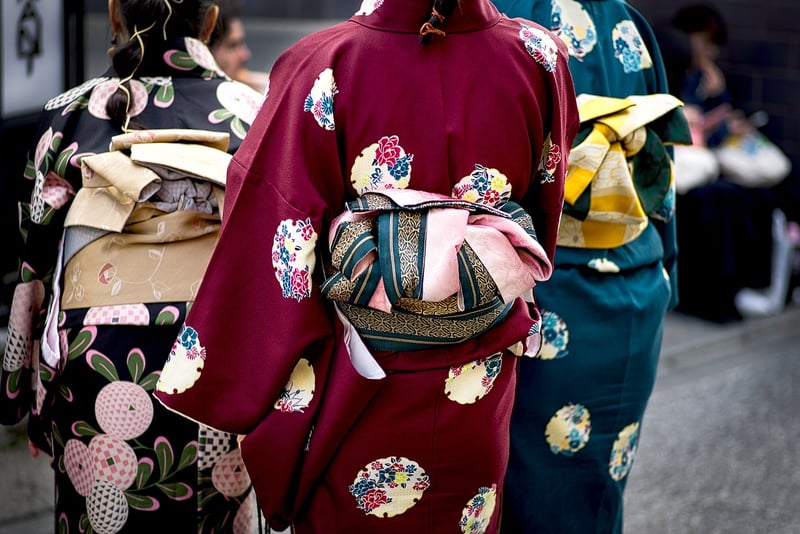
Influences from Around the Globe + Cultural Textiles
Exploring different cultures can be a fascinating journey, especially when it comes to the rich tapestry of textiles that each culture brings to the table. From intricate patterns to vibrant colors, textiles have always been a reflection of a society's history, traditions, and identity. Let's delve into some of the diverse influences from around the globe and the cultural textiles that define them.
African Influence
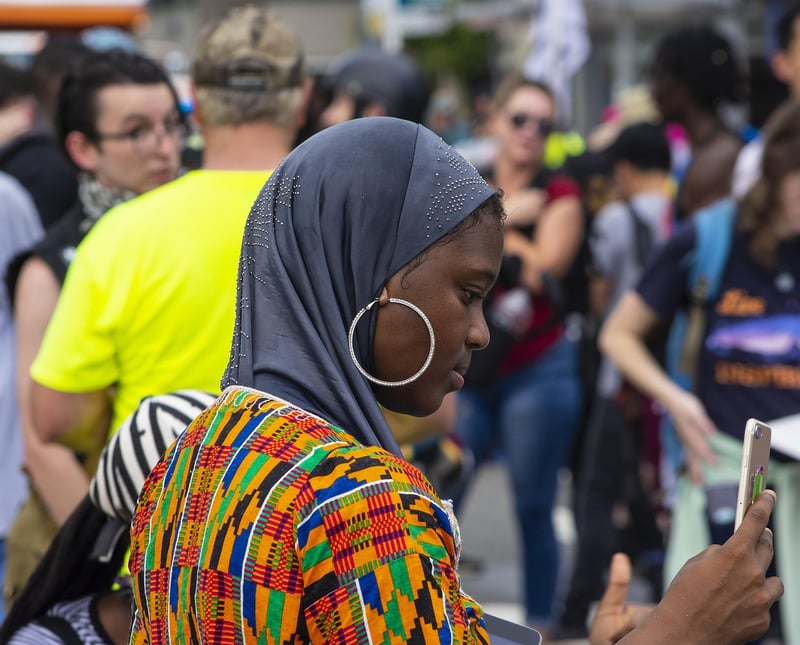
African textiles are renowned for their bold patterns and vibrant colors. One of the most famous African textiles is Kente cloth, originating from Ghana. Traditionally woven in narrow strips that are then sewn together, Kente cloth is often associated with royalty and is worn on special occasions.
Asian Influence
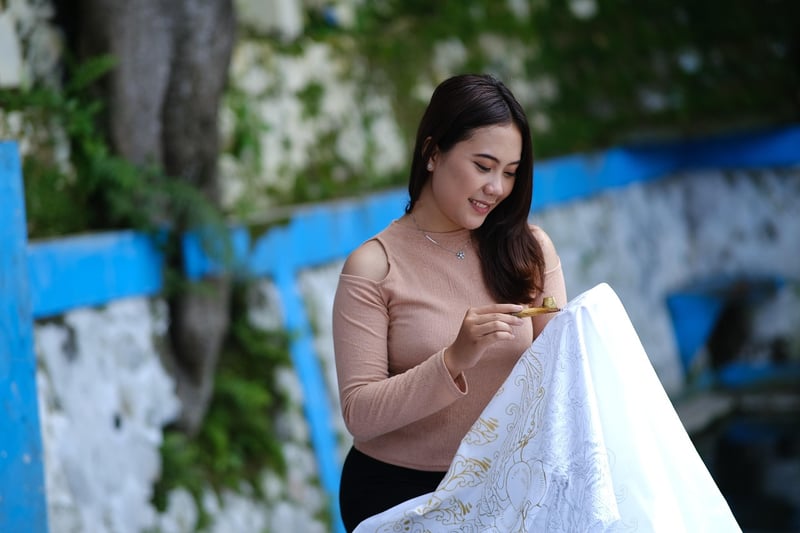
Asian textiles are known for their intricate designs and exquisite craftsmanship. Take, for example, the Batik fabric from Indonesia. Batik is a technique of wax-resist dyeing applied to the whole cloth, creating stunning patterns that vary from region to region.
European Influence
European textiles often reflect a blend of traditional and modern influences. The Tartan pattern, originating from Scotland, is a classic example of European textile heritage. Each Tartan pattern is associated with a specific Scottish clan, showcasing a sense of identity and belonging.

American Influence
American textiles have been shaped by a melting pot of cultures and traditions. The Native American textiles, such as Navajo blankets, are steeped in history and symbolism. The intricate geometric patterns and earthy tones reflect the connection to nature and the spiritual beliefs of the tribes.

Exploring these diverse influences and cultural textiles not only enriches our understanding of different societies but also allows us to appreciate the beauty and craftsmanship behind each woven masterpiece.